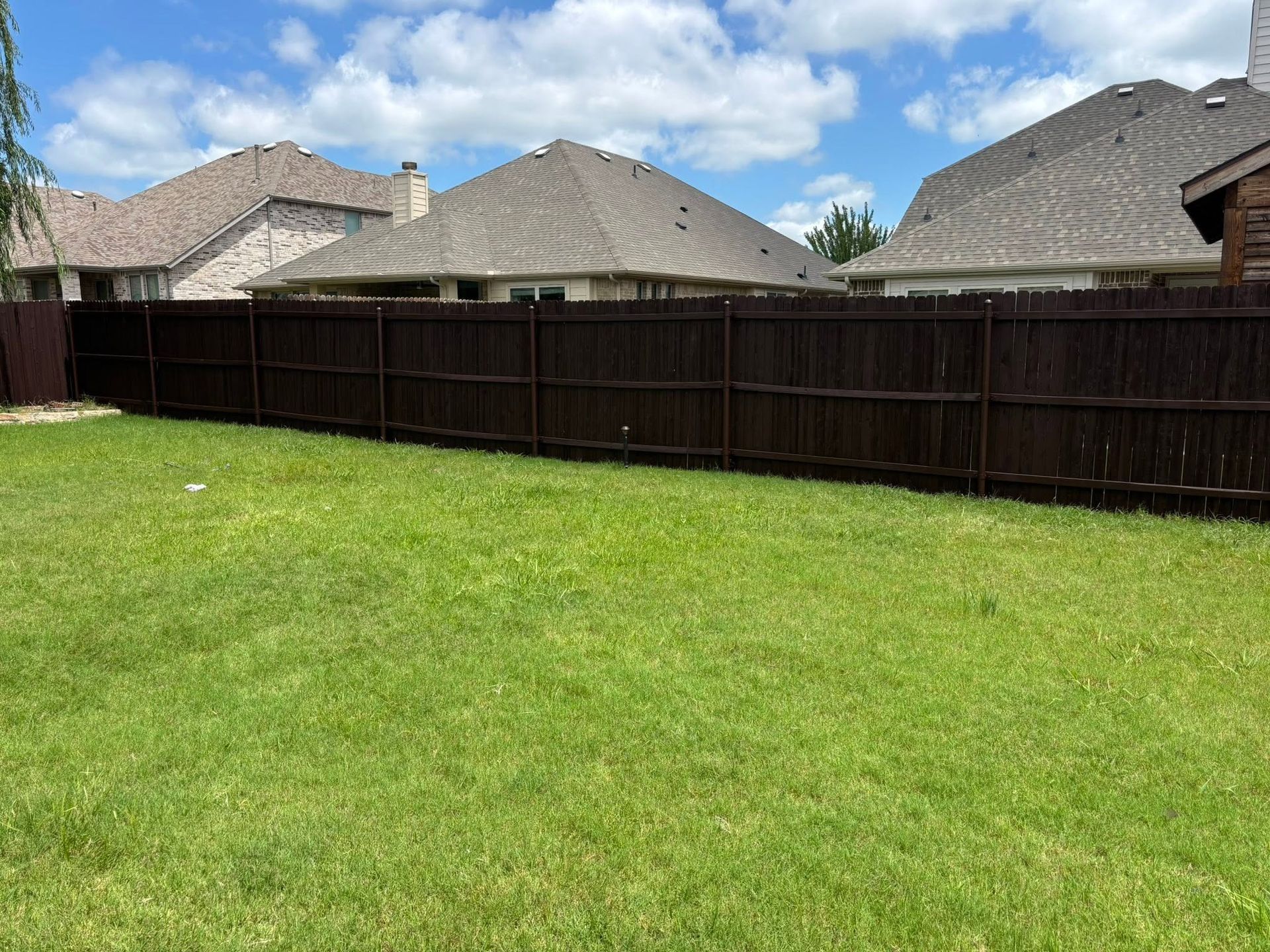
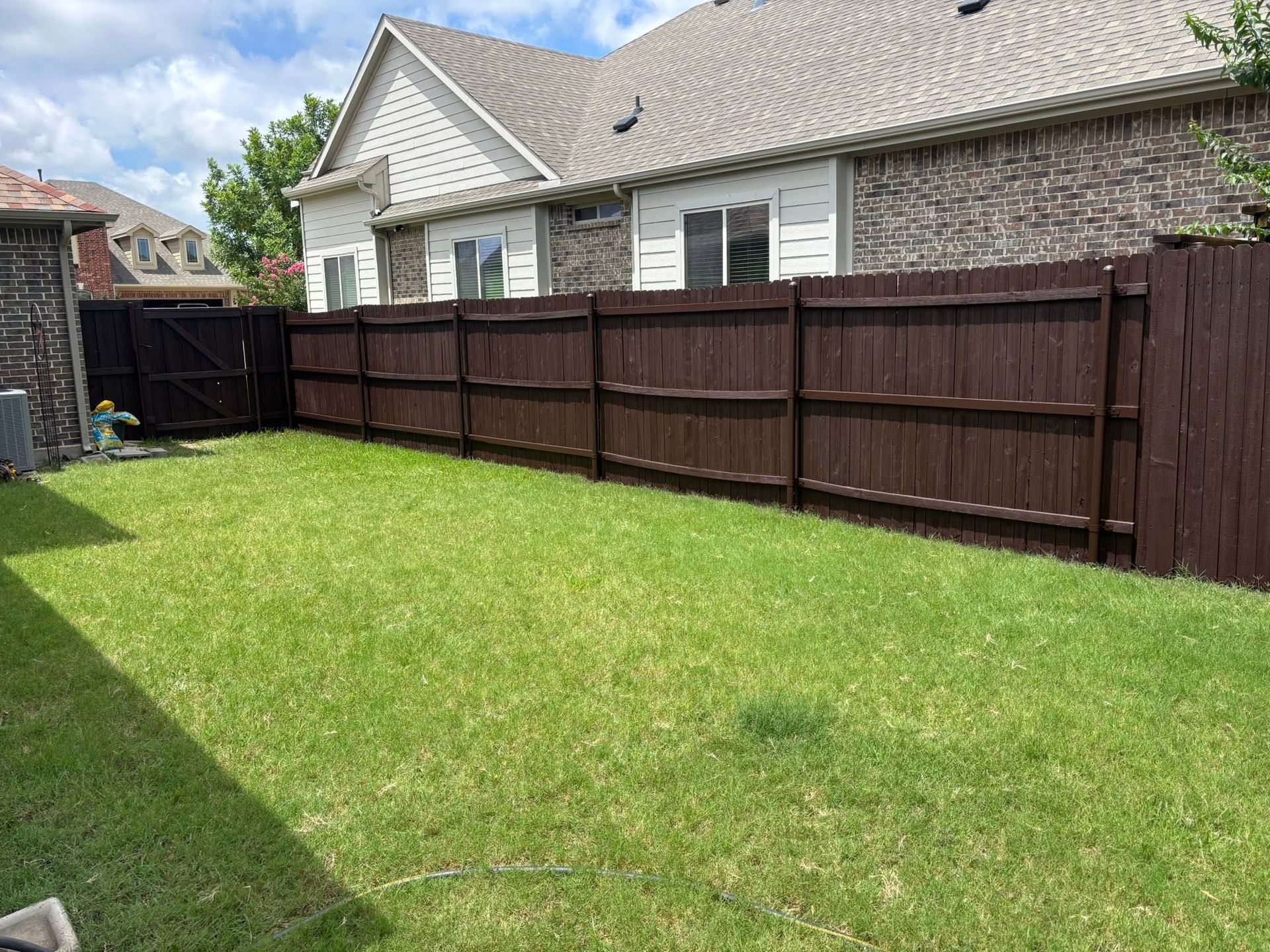
Defining Property Boundaries and Outdoor Space
Fence Construction in Forney for privacy, security, boundary definition, and improved outdoor usability
A property fence serves practical purposes including privacy from neighboring homes, clear boundary definition, outdoor security, and improved usability of yard space for families and pets. Project planning involves determining where the fence will run, identifying property lines, selecting materials based on appearance and durability preferences, deciding on height and style, and planning gate locations for access. Leatherneck Roofing LLC handles fence construction in Forney for homeowners adding new fences or replacing aging systems that no longer provide the function or appearance the property requires, with attention to North Texas outdoor exposure including sun, wind, rain, and storm conditions that affect long-term material performance.
Construction stages typically include site layout to mark fence lines, post placement in stable footings that resist shifting from ground movement, framing to connect posts at consistent height, fence panel or board installation, gate assembly and hardware mounting, and final site cleanup. Material selection affects maintenance requirements—wood fences require periodic staining or sealing, while vinyl and metal options handle weather exposure with less ongoing care but different upfront costs and appearance characteristics.
Request a project quote based on your desired fence layout, material preferences, property conditions, and specific functional goals.
What Proper Fence Construction Requires
Fence construction involves setting posts at consistent spacing and depth so the structure remains stable during wind events, attaching rails or framing members level and square, and securing boards or panels so the finished fence maintains alignment without warping or sagging. Post footings must reach below the frost line and into undisturbed soil, and corners require bracing or reinforcement to handle the directional load from connecting fence runs.
Once construction is complete, you'll have clearly defined property boundaries, improved privacy from neighboring yards or streets, and outdoor space that functions better for family use. The fence line follows the planned layout without gaps or misalignment, gates open and close smoothly with secure latching hardware, and the structure stands vertically without leaning or twisting. Material finish—whether stained wood, painted boards, or factory-finished panels—integrates with your home's exterior appearance and surrounding landscape.
Fence projects often coordinate with other exterior improvements when homeowners are updating multiple property features. Leatherneck Roofing LLC provides broader contracting services, so fence work can align with roofing, gutter, or other exterior projects to streamline scheduling and site logistics.
Common Questions About This Service
Fence construction involves decisions about materials, layout, and long-term maintenance, so understanding the process and trade-offs helps you plan a project that meets your property's specific needs.
What factors determine which fence material works best?
Material selection depends on appearance preferences, maintenance willingness, budget, and how exposure to sun, wind, and moisture in Forney affects durability—wood offers traditional appearance with ongoing care requirements, while vinyl and metal reduce maintenance but present different cost and aesthetic considerations.
How deep do fence posts need to be set?
Posts typically extend at least two feet into the ground and below the frost line to prevent shifting from freeze-thaw cycles and ground movement, with deeper footings required for taller fences, gate posts, or areas with sandy or unstable soil.
Why do some fences lean or warp after installation?
Leaning results from posts set too shallow or in loose soil, inadequate bracing at corners, or ground movement during wet periods, while warping occurs when boards are installed without room for expansion or when moisture content changes after construction.
What should be considered when planning gate locations?
Gates need clear swing space, solid posts with reinforced footings to handle repeated opening and closing stress, and placement that aligns with walkways, driveways, or access points where people and equipment actually enter the yard.
When is the best time to build a fence in North Texas?
Leatherneck Roofing LLC can construct fences year-round, though drier months simplify post setting and concrete curing, while avoiding extreme heat or wet ground conditions can make construction more efficient depending on site conditions and scheduling.
Property owners planning fence projects benefit from clear communication about layout, material options, and project timelines, with workmanship that respects the property throughout construction. Contact Leatherneck Roofing LLC to discuss your fence goals, review material options, and receive a detailed estimate based on the specific layout and features your property requires.