Reducing How Often You Clean Gutters
Gutter Guard Installation in Forney for homes surrounded by trees and properties with frequent debris accumulation
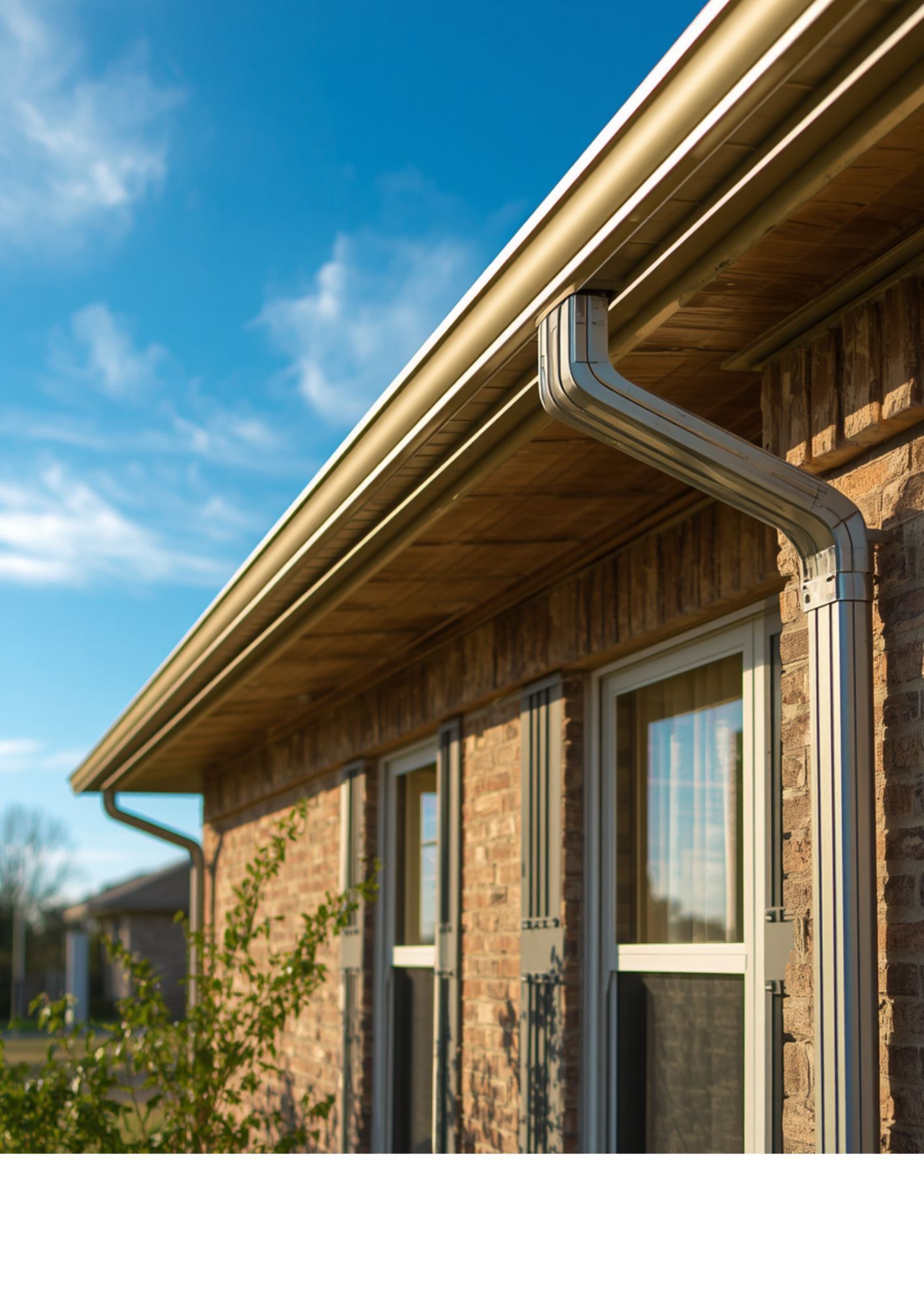
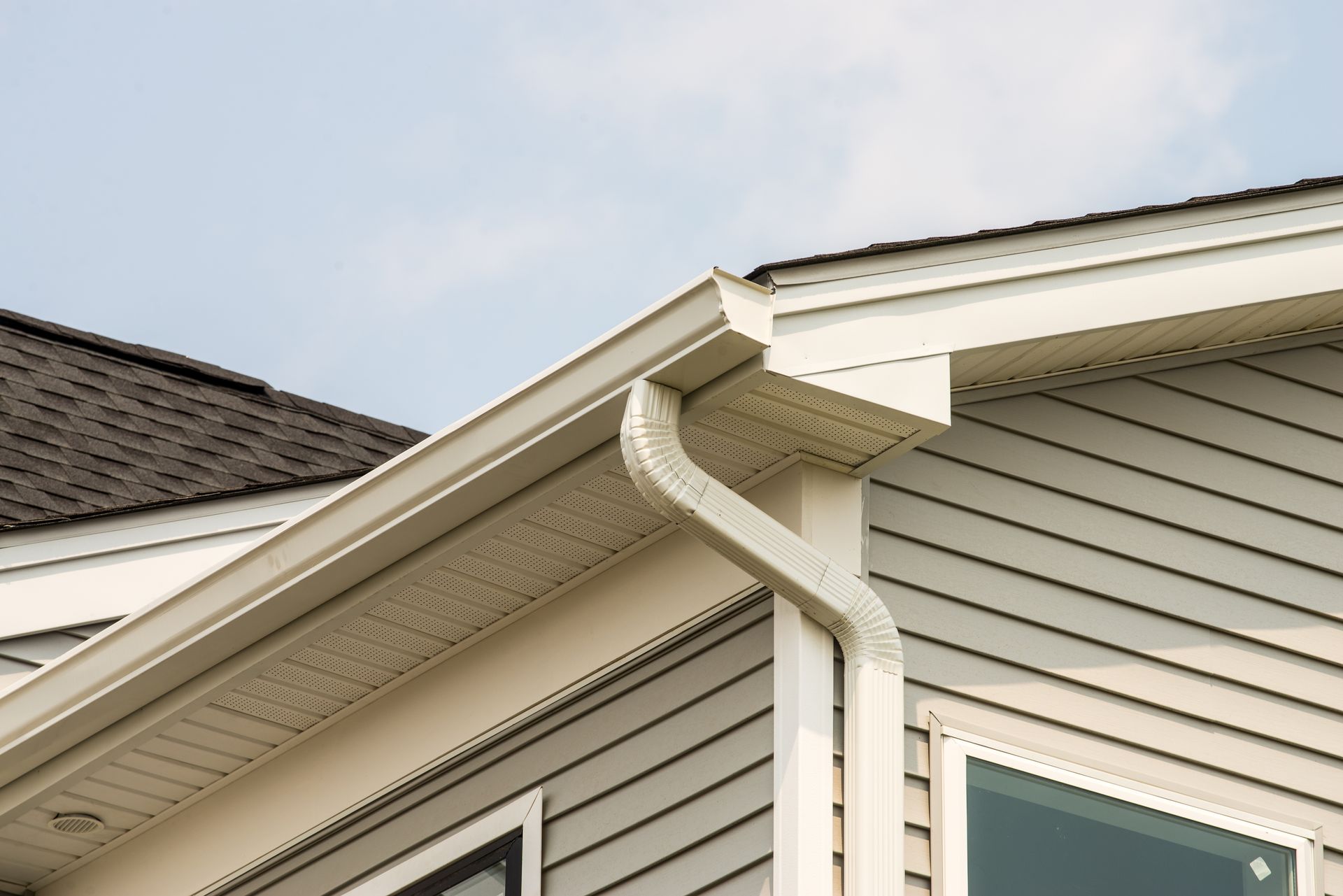
Gutter guards are designed to reduce the volume of leaves, twigs, and larger debris entering your drainage system while allowing roof runoff to reach gutters and flow toward downspouts. Leatherneck Roofing LLC installs gutter guards in Forney after evaluating your existing gutters to confirm they're properly aligned, securely attached, and in suitable condition to support an added layer. Properties near oak trees, pecan trees, or areas with heavy seasonal leaf drop see the most noticeable reduction in debris buildup, though gutter guards don't eliminate maintenance entirely since smaller particles and shingle grit can still accumulate over time.
Installation begins with inspecting current gutter condition, slope, and attachment points because adding guards to sagging or misaligned sections won't improve drainage performance. Roof layout affects which guard style works best—steeper pitches shed water faster and require guards that handle higher flow volumes, while low-slope roofs need designs that don't restrict water entry during slower runoff. Surrounding tree types, storm frequency, and rainfall intensity in North Texas also influence the approach, since systems must handle both debris load and water volume during heavy rain events.
Request an evaluation to determine whether gutter guards make sense for your current drainage configuration and surrounding landscape.
How Guards Change Gutter Maintenance
Gutter guard installation involves measuring roofline sections, cutting guards to fit gutter widths, and securing them so water can enter while blocking leaves and larger debris from accumulating inside channels. The guards attach over existing gutters without replacing the drainage system itself, and downspout openings remain accessible for periodic flushing.
Once guards are in place, you'll notice fewer clogs during fall leaf drop and less frequent need to clear debris by hand from gutter channels. Water continues flowing toward downspouts during rain instead of backing up behind leaf dams, and you spend less time on ladders pulling out decomposing material. Some fine debris and roof granules still collect on top of guards and require occasional brushing, but the volume of organic matter entering the system drops significantly compared to open gutters.
Guards work best when installed during gutter replacement or after repairs have corrected alignment and attachment problems. Adding guards to gutters that already sag or leak won't fix those underlying issues, so the system needs to function correctly before guards provide their intended benefit of reducing maintenance frequency.
What Property Owners Usually Ask
Gutter guards change how often you maintain your drainage system, but understanding what they do and don't prevent helps set realistic expectations for long-term performance.
What types of debris do gutter guards actually block?
Guards prevent leaves, twigs, seed pods, and larger organic material from entering gutter channels, but fine particles like shingle granules, pine needles, and dirt can still pass through or accumulate on the guard surface over time.
How do you know if existing gutters are suitable for guards?
Leatherneck Roofing LLC evaluates whether gutters are securely attached to fascia, sloped correctly toward downspouts, free from major damage, and capable of handling water flow without sagging, since guards only reduce debris and don't fix structural problems.
Why do some gutter guards work better than others in Forney?
Performance depends on how well the design handles both debris volume from surrounding trees and water flow during North Texas storms, which can deliver heavy rainfall in short periods that overwhelm guards not rated for higher flow capacity.
Do gutter guards eliminate all future cleaning?
No—guards reduce the frequency and difficulty of maintenance, but you'll still need to brush off accumulated fine debris from guard surfaces and flush downspouts periodically to maintain proper drainage.
When should guards be installed relative to other gutter work?
Guards are typically added when you're already installing new gutters, replacing old sections, or after repairs have corrected slope and attachment issues, so the drainage system functions properly before the guard layer is introduced.
Homeowners coordinating gutter work with roofing or fascia projects often add guards during the same service visit to reduce future maintenance once the drainage system is functioning correctly. Leatherneck Roofing LLC provides installation quotes based on your roofline layout, existing gutter condition, and debris exposure from surrounding landscape features.