Restoring Function to Damaged Fence Sections
Fence Repair in Forney for leaning posts, loose boards, damaged panels, and storm-related fence damage
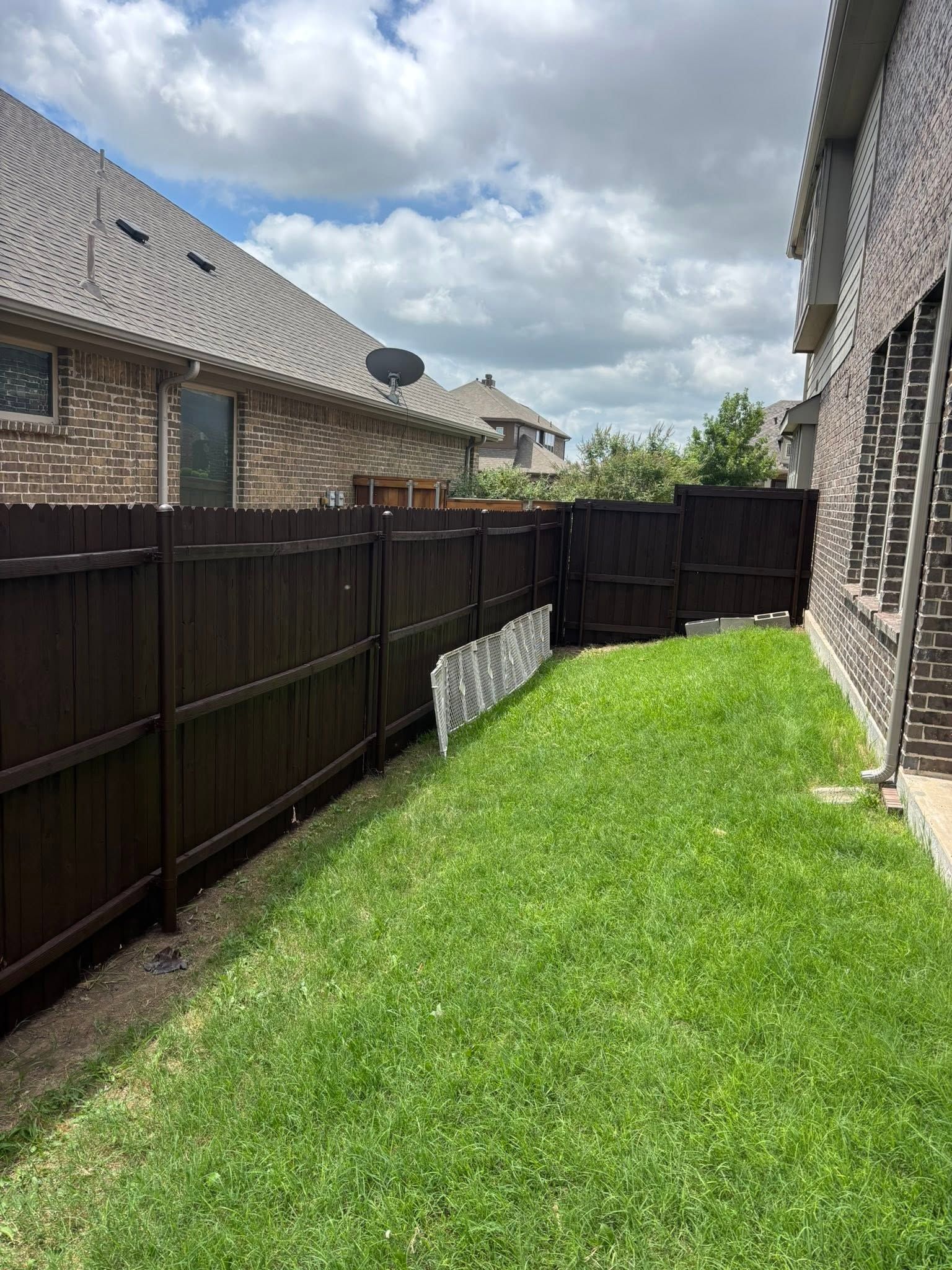
Fence damage appears as leaning sections, loose or missing boards, broken panels, gates that no longer close properly, and posts that shift or rot at ground level. Wind during North Texas storms can push entire fence runs out of alignment, while sun exposure and moisture cycles cause wood to crack, warp, or deteriorate over time. Leatherneck Roofing LLC provides fence repair in Forney when you notice structural instability, privacy gaps from missing components, or visible deterioration that affects how the fence looks and functions. An evaluation determines which sections can be repaired effectively and whether damage is isolated to specific posts or panels versus spread across multiple areas requiring larger-scale replacement.
Repairs address the specific failure points—resetting posts that have shifted, replacing rotted wood at ground level, reattaching loose boards or panels, realigning sections that lean, and fixing gate hardware that no longer latches securely. Matching replacement components with existing materials preserves the fence's appearance when only partial sections require attention, though extensive deterioration may indicate the system has reached the end of its functional lifespan.
Schedule an assessment when you observe leaning fence sections, gaps in privacy coverage, or visible damage that worsens after storms.
How Repairs Restore Fence Stability
Fence repairs involve identifying which components have failed, removing damaged sections, reinforcing or replacing posts, reattaching rails and boards to correct alignment, and ensuring gates operate smoothly with secure latching. Post repairs may require excavating around the base to reset footings or adding concrete to stabilize sections that shift in loose soil.
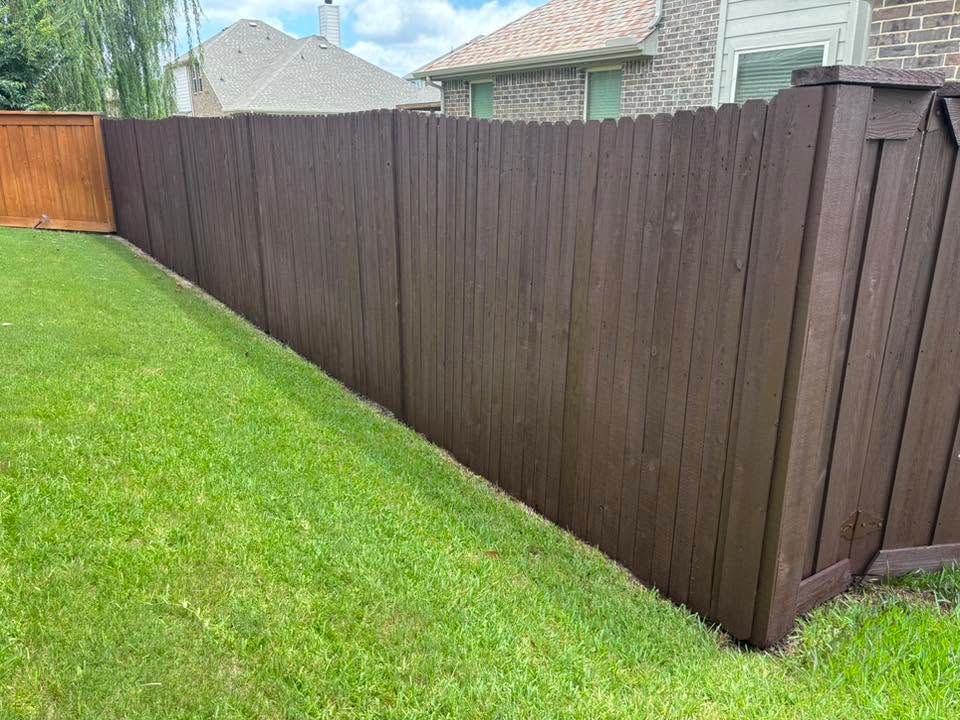
After repairs, the fence stands vertically without leaning, boards or panels are secured so gaps no longer appear, and the structure resists wind pressure without flexing or shifting. Gates open and close properly with hardware that engages reliably, and privacy coverage is restored across sections where missing or damaged boards previously created sightlines. The repaired areas integrate with surrounding fence sections, maintaining consistent height and alignment along the property line.
Repair timing matters because isolated damage spreads when weakened sections remain under wind load or when loose components allow the fence to rack and twist. Addressing problems early prevents adjacent sections from taking additional stress and limits how much of the fence ultimately requires replacement instead of targeted repair.
Questions Before Starting Your Project
Fence repairs range from simple board replacement to post resetting, so understanding what the service involves and when replacement becomes necessary helps you make informed decisions about your property's fencing.
What causes fence posts to lean or shift after installation?
Posts lean when footings aren't deep enough to resist wind pressure, when soil becomes saturated and loses stability, or when wood deteriorates at ground level where moisture contact accelerates rot in North Texas wet-dry cycles.
How do you decide which fence sections can be repaired?
Leatherneck Roofing LLC evaluates whether posts retain structural integrity after resetting, how much of the fence has deteriorated, whether replacement boards match existing materials, and if repairs extend the system's functional life or if replacement makes more sense financially.
Why do boards crack or warp even on newer fences?
Wood expands and contracts with moisture and temperature changes, and boards installed too tightly without expansion gaps can warp when they swell, while sun exposure causes surface checking and cracks that allow moisture deeper into the material.
What happens when gate hardware fails?
Gates sag when hinge screws pull out of deteriorated posts, latches stop engaging when alignment shifts, and the gate drags on the ground or won't close fully, requiring post reinforcement, hinge replacement, or realignment to restore proper operation.
When should fence repairs be scheduled instead of delaying?
Contact Leatherneck Roofing LLC when you notice leaning sections, loose boards that could blow off during storms, gates that no longer secure properly, or visible post damage at ground level, since early repairs cost less than addressing larger failures later.
Leatherneck Roofing LLC provides honest assessments that identify which fence components require attention and explain whether isolated repairs restore function or if deterioration has progressed beyond practical repair. Request an evaluation and quote for damaged fence sections, and get straightforward recommendations based on your fence's actual condition and your property's specific needs.