Drainage Systems Formed to Fit Your Roofline
Seamless Gutter Installation in Forney for homes needing new drainage systems or replacing aging, leaking gutter sections
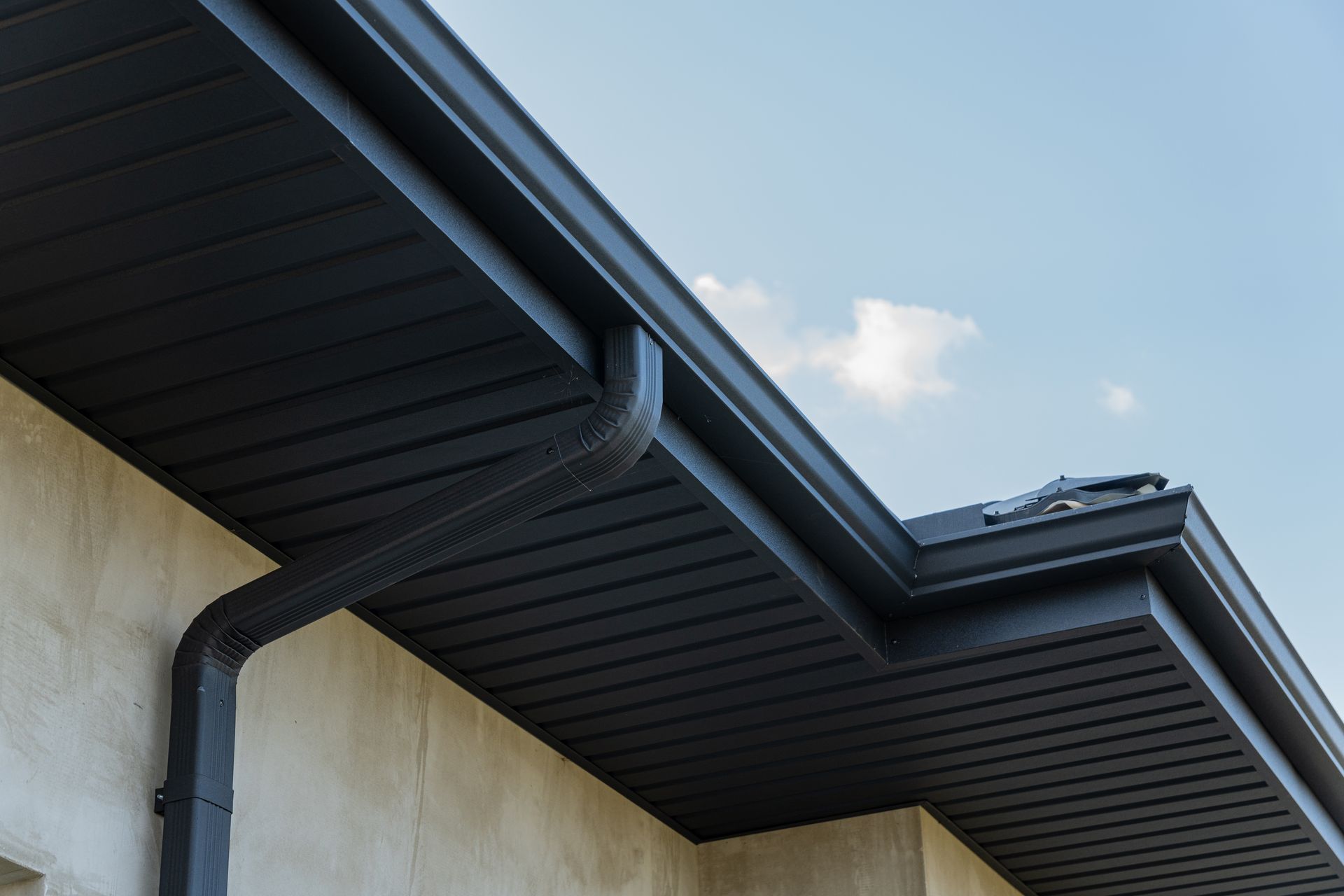
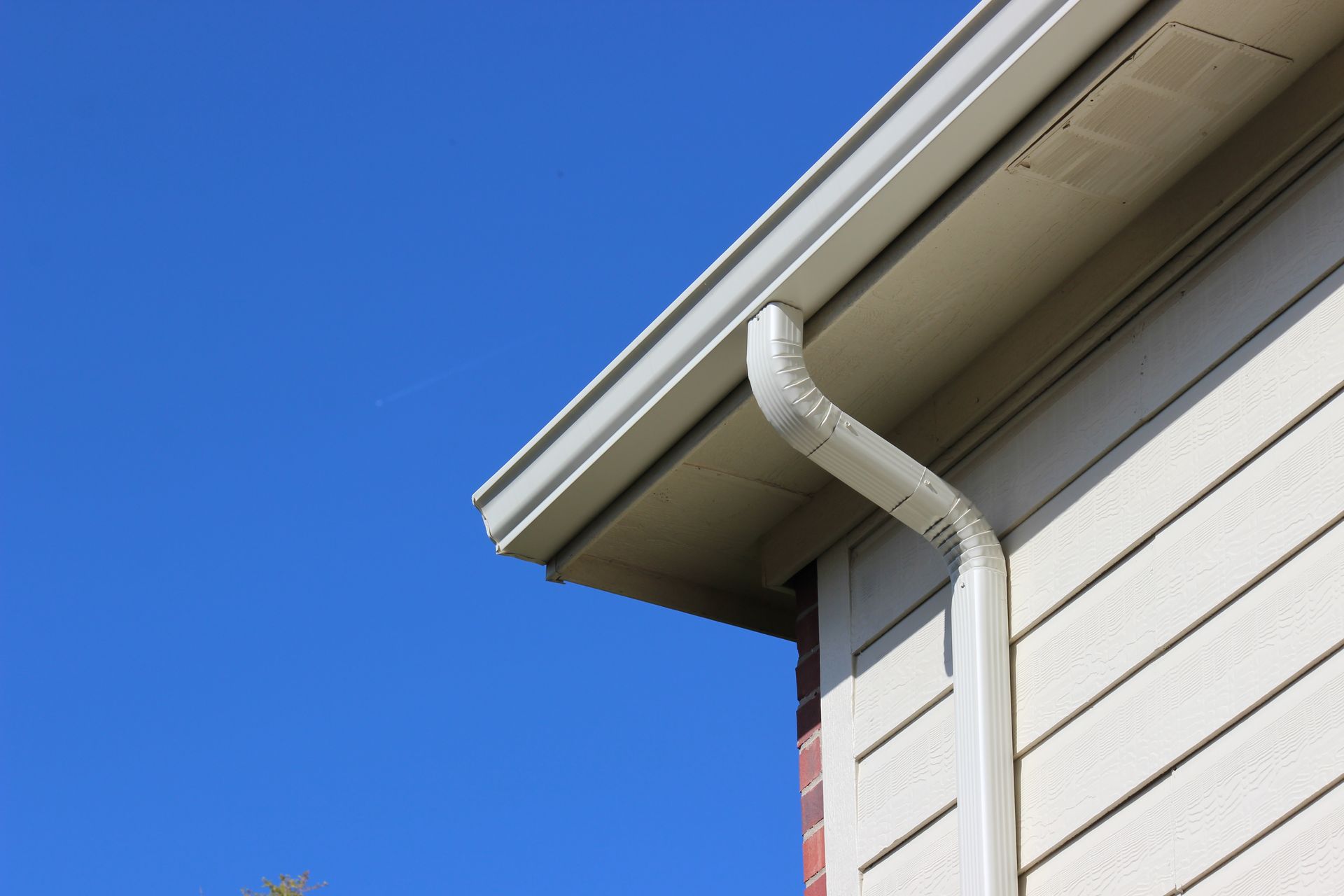
Seamless gutters are formed in continuous sections that match your roofline measurements, reducing the number of joints required along straight runs and creating a cleaner finished appearance with fewer potential leak points. Planning the installation involves measuring roof edges, determining drainage direction based on ground slope and landscaping, positioning downspouts where water can exit away from the foundation, and accounting for fascia condition and exterior trim configuration. Leatherneck Roofing LLC installs seamless gutters in Forney for homeowners replacing deteriorated systems or adding drainage to areas where roof runoff currently reaches the ground uncontrolled.
Correct slope remains essential regardless of gutter type—sections must angle toward downspouts so water moves through the system instead of pooling in low spots. Secure attachment to fascia boards prevents sagging during storms and under debris load, and proper placement ensures gutters catch runoff from roof edges without gaps that allow water to bypass the system. North Texas rain events can deliver significant water volume quickly, so gutter sizing and downspout placement must handle flow rates that occur during heavy storms, not just light drizzle.
Request a detailed quote based on your roofline dimensions, preferred gutter material, and downspout placement requirements.
Why Continuous Sections Reduce Leak Points
Seamless gutter installation involves forming aluminum or steel material into lengths that run continuously from one corner or downspout location to the next, eliminating the seams that appear every ten feet in traditional sectional gutters. Corners, downspout outlets, and end caps still require sealed connections, but long roofline runs contain no intermediate joints where sealant can fail or fasteners can loosen over time.
After installation, you'll see gutters that follow your roofline without visible seams along straight sections, reducing the spots where leaks typically develop as systems age. Water flows from roof edges into gutters and exits through downspouts without dripping from mid-run joints, and the cleaner appearance integrates more smoothly with fascia, siding, and trim. During heavy rain, the system handles runoff without the overflow that occurs when sectional gutters separate at seams under high flow conditions.
Installation timing often coordinates with roofing projects, fascia repairs, or siding work so drainage components integrate properly with surrounding exterior systems. Gutters rely on sound fascia attachment, so addressing wood rot or deterioration before installing new gutters prevents future sagging and ensures the drainage system remains secure during wind and storm events common in the Forney area.
Answers to Frequent Service Questions
Seamless gutter installation involves decisions about material, size, placement, and integration with your home's exterior, so understanding the process helps you plan the project effectively.
What makes seamless gutters different from sectional gutters?
Seamless gutters are formed in continuous lengths that match your roofline measurements, eliminating the seams that appear every ten feet in sectional systems and reducing the number of joints where leaks commonly develop over time.
How do you determine where downspouts should be placed?
Downspout locations depend on ground slope, landscaping features, foundation layout, and how far water needs to be directed away from the house, with placement chosen to move roof runoff toward areas where it can drain without causing erosion or pooling near the foundation.
Why does fascia condition matter before installing new gutters?
Gutters attach directly to fascia boards, so wood that's rotted or deteriorated from previous water damage won't hold fasteners securely, causing new gutters to sag or pull away during storms regardless of how well they're installed.
What gutter size is appropriate for a typical Forney home?
Most residential roofs use five-inch or six-inch gutters depending on roof area, pitch, and expected water volume during heavy rain, with larger sizes chosen when roof sections drain into single downspout locations or when storm intensity requires higher flow capacity.
When should seamless gutters be installed relative to other exterior work?
Leatherneck Roofing LLC coordinates gutter installation with roofing, fascia repair, or siding projects when those systems affect attachment points, drainage paths, or how components integrate along the roofline and exterior walls.
Homeowners considering new gutters or replacing systems that leak, sag, or no longer function effectively can schedule a consultation to review roofline layout, existing fascia condition, and drainage goals. Leatherneck Roofing LLC provides installation quotes based on measurements, material selection, and the specific configuration required for your property.