Drainage Systems That Protect Your Home's Perimeter
Gutter Installation in Forney for controlling roof runoff and preventing water concentration around structures
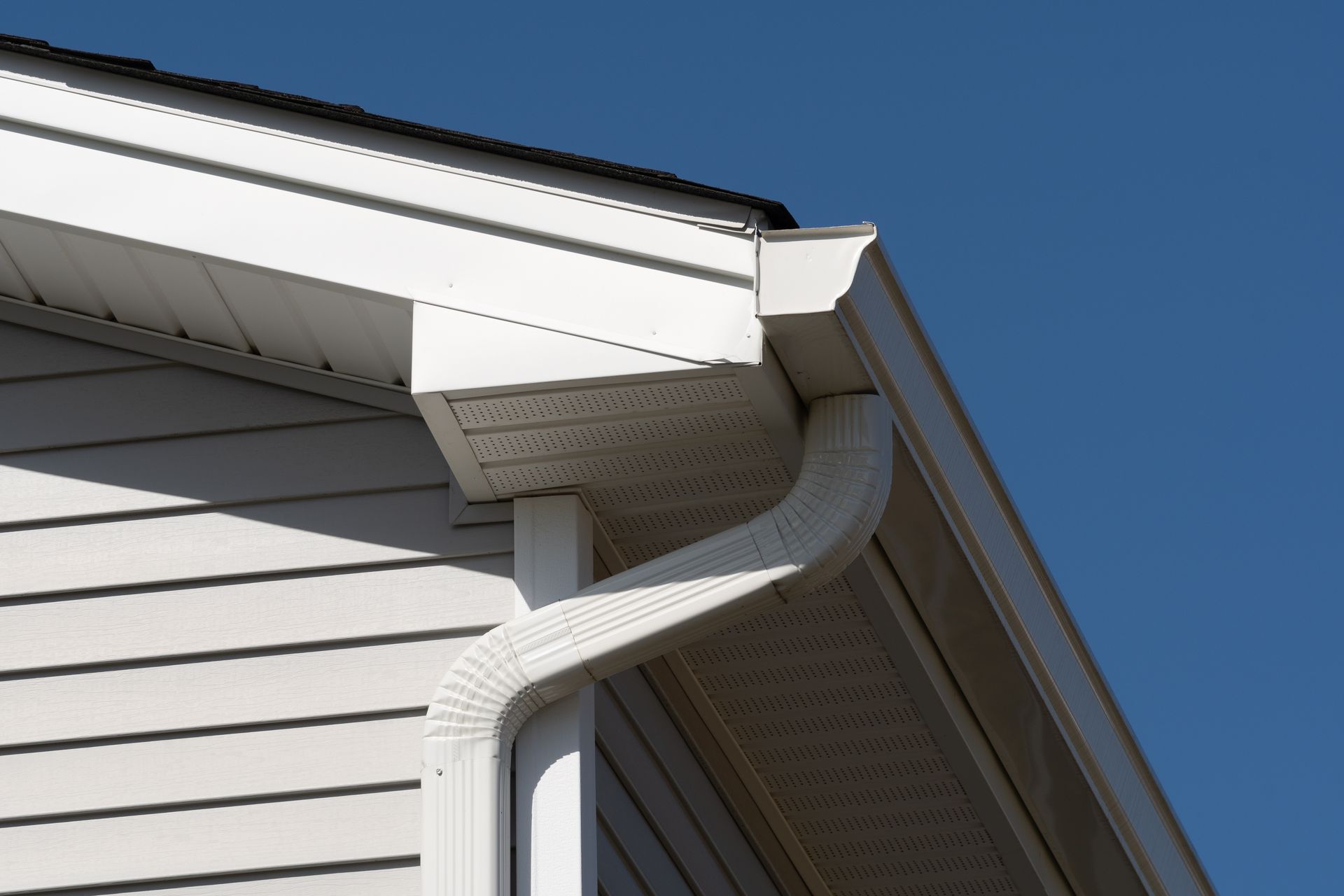
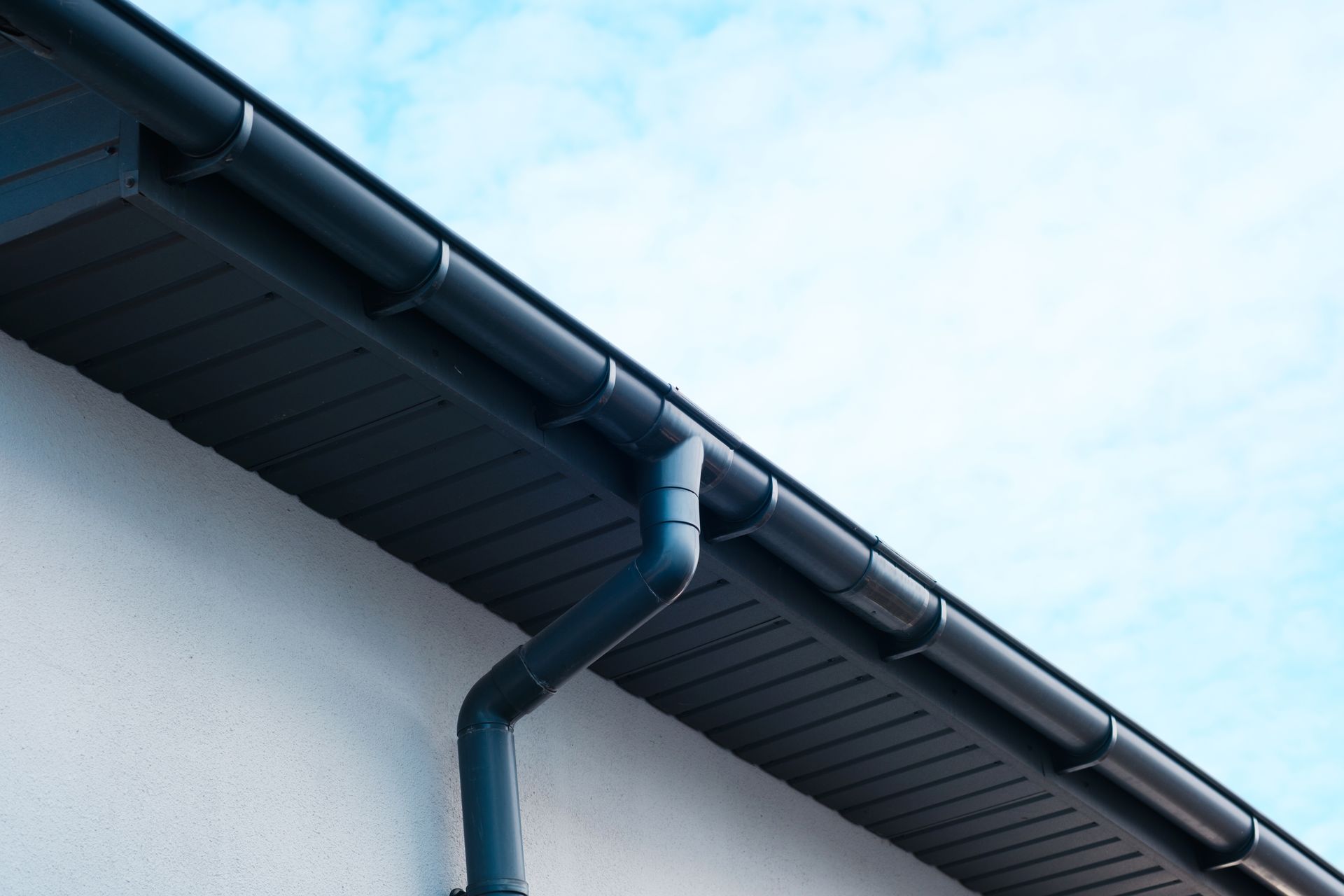
Gutters collect water running off the roof and direct it away from vulnerable areas including siding, landscaping, foundation perimeters, and walkways where uncontrolled runoff causes erosion, staining, and moisture problems. The installation process involves evaluating roof drainage patterns, planning gutter placement and downspout locations, establishing proper slope so water flows toward outlets rather than pooling, positioning downspouts to discharge away from the structure, and securing the completed system to handle the volume and force of runoff during heavy rain. Once installed, water flows off the roof into gutters, moves through the system without overflowing, and discharges at controlled points away from the home rather than sheeting down walls or saturating soil around the foundation.
Effective gutter systems require coordination with roofing because roof slope, edge details, and drainage volume all affect how gutters perform under real conditions. Leatherneck Roofing LLC handles both roofing and gutter work, which allows homeowners to address connected exterior needs through one contractor who understands how these components interact rather than treating them as separate, unrelated systems.
Request an evaluation and installation quote if your home lacks gutters, if existing gutters overflow or pull away from the structure, or if you notice erosion and water damage around the foundation perimeter.
What Proper Gutter Installation Accomplishes
Installation begins with measuring roof area and calculating runoff volume to ensure gutter size and downspout spacing can handle peak flow during North Texas heavy rain and storms. Gutter sections are positioned along roof edges, sloped at a consistent grade toward downspout outlets, and secured with hangers spaced to prevent sagging under water weight or debris accumulation. Downspouts are placed at corners or intermediate points based on roof length and drainage volume, extended away from the foundation, and directed toward areas where discharged water won't cause erosion or pooling.
After installation, you'll notice that water no longer sheets off the roof edge onto walkways or landscaping, soil erosion around the foundation stops or decreases significantly, and siding remains cleaner because runoff is captured before it splashes mud and debris onto exterior walls. Controlled drainage also reduces standing water near the home's perimeter, which lowers the risk of moisture intrusion into crawl spaces or basements and prevents ice formation on walkways during rare freezing events.
Gutter systems require occasional maintenance to remain effective, including removing leaves and debris that accumulate in channels and checking fasteners and joints for damage after severe weather. Installation quality affects how well gutters withstand wind, debris impact, and thermal expansion without pulling away from the structure or developing leaks at seams and corners.
Frequent Gutter Installation Questions
Homeowners considering new gutters or replacing ineffective systems want to understand how installation works, what materials perform best, and how to maintain the system once it's in place.
What gutter materials hold up best under Forney weather conditions?
Aluminum gutters resist corrosion, handle thermal expansion without cracking, and provide a good balance of durability and cost, while steel gutters offer greater strength for homes with large roof areas or heavy runoff volumes.
How do you determine the correct gutter size and downspout spacing for a home?
Roof square footage, pitch, and local rainfall intensity all factor into sizing, with larger roofs or steeper pitches requiring wider gutters or additional downspouts to prevent overflow during peak storms.
Can gutters be installed on homes that don't currently have them?
Yes, gutters can be added to any home with accessible roof edges, and installation often solves long-standing problems with foundation moisture, erosion, or landscape damage caused by uncontrolled runoff.
What happens if gutters aren't sloped correctly during installation?
Incorrect slope causes water to pool in gutter sections rather than flowing toward downspouts, leading to overflow, standing water that attracts pests, and added weight that pulls gutters away from the structure over time.
How does gutter installation connect with roofing work?
Gutters attach to fascia boards and coordinate with roof edge details, so installing or replacing gutters often happens alongside roofing projects to ensure proper integration and avoid returning to complete unfinished exterior work later.
Leatherneck Roofing LLC evaluates drainage needs based on your home's roof configuration and site conditions, then installs gutter systems designed to handle actual runoff volumes rather than relying on one-size-fits-all solutions. Schedule a consultation to discuss gutter options and receive a detailed quote for new installation or system replacement.